
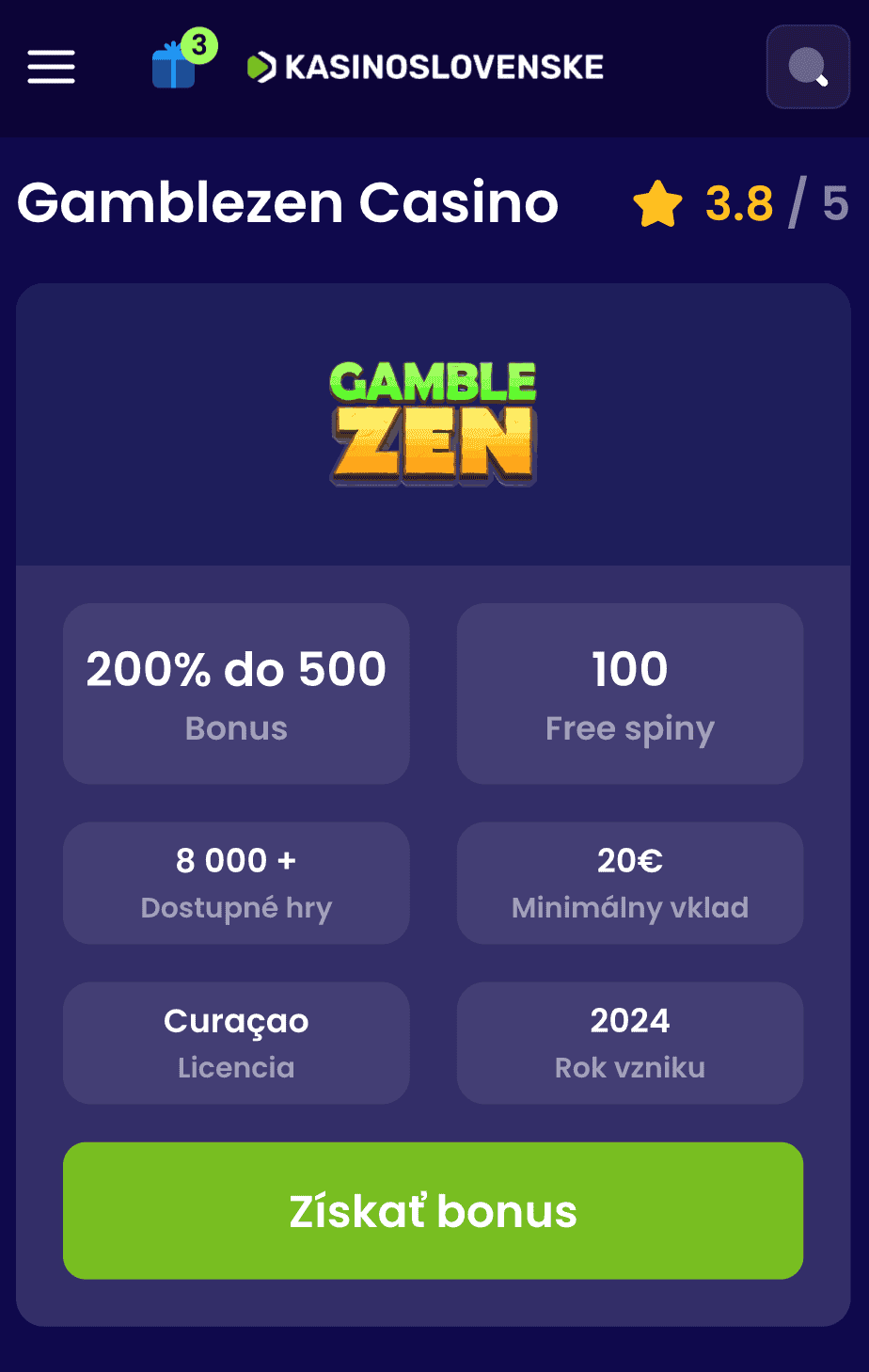
Utilize two-factor authentication to enhance safeguarding measures for your financial transactions online. This approach requires not only a password but also a second form of verification, often through a mobile device, Gamblezen ensuring an additional layer of security when accessing gaming accounts.
Regularly monitor account statements and transaction history to identify any unauthorized activity swiftly. Being proactive in reviewing these details helps in recognizing discrepancies early, allowing for immediate action if necessary. Set up alerts for any transactions to stay informed about activities that occur in real time.
Limit the amount of funds stored within your online gaming profile. Transferring only what is necessary for gameplay reduces risk exposure in case of a security breach. Consider using temporary or virtual financial instruments for transactions, minimizing reliance on direct bank accounts.
Stay informed about the latest security practices and potential threats in the online gaming industry. Engaging with reputable forums or reading credible articles can provide insights into new vulnerabilities and effective countermeasures, empowering users to maintain a secure online environment.
Understanding the Risks of Using Electronic Payment Methods for Online Gambling
Avoid sharing sensitive banking information while playing games online. Use secure payment platforms that offer added layers of security, such as two-factor authentication or digital wallets.
Inspect the odds of potential fraud. Transactions through electronic means can expose personal details, making them susceptible to cybercriminals. Be cautious of phishing attempts that target users of online gambling platforms.
- Only use reputable sites that utilize encryption technology to protect data.
- Verify the site's licensing and regulation status to ensure it is legitimate.
- Be wary of deals that appear too good to be true, as they may be a trap for your financial details.
Consider spending limits when using electronic payment methods. Set strict budgets to minimize the risk of overspending. Many platforms offer tools to help track spending patterns effectively.
Understand the withdrawal processes and timeframes. Processing times can vary significantly, leading to frustration if funds are not received promptly. Always check the terms associated with cashing out winnings.
- Read reviews about the payment method from other users.
- Keep your login credentials private and change them regularly.
- Alert your financial institution about any monitoring of unusual activities.
Stay informed about the latest security trends in online payments. Follow updates on the regulations affecting electronic transactions, ensuring compliance with legal requirements and safety protocols.
Engage with customer support when suspicious activity arises. Prompt reporting can mitigate losses and lead to swift resolution of issues related to your finances.
Implementing Security Measures to Safeguard Your Transactions
Utilize two-factor authentication (2FA) whenever available. This method adds an extra layer of security, requiring not only a password but also a code sent to your mobile device. Make sure to regularly update your passwords and choose complex combinations of letters, numbers, and symbols. Regular password changes reduce the risk of unauthorized access. Set up alerts for any transactions to monitor your accounts closely.
Utilize Encrypted Connections
Always ensure that you are using secure connections. Access financial accounts only through encrypted websites, indicated by "https://" in the URL. Avoid using public Wi-Fi for transactions; instead, opt for a personal hotspot or a secure network. Use virtual private networks (VPNs) to encrypt your internet connection, especially when accessing sensitive information remotely. These practices significantly lower the risk of data theft.
