
The Psychological Architecture of Casinos
Casinos are meticulously designed environments that aim to captivate players' attention and encourage them to spend more time gambling. The layout of a casino is often intricate and disorienting, featuring winding pathways and strategically placed gaming machines. This design choice is intentional; by creating a maze-like atmosphere, casinos minimize the chances of players recognizing how much time they have spent inside and how much money they have lost, especially at an instant withdrawal casino , where quick payouts can further entice prolonged play. It’s a subtle tactic that plays on our psychology, making it easy to lose track of time.
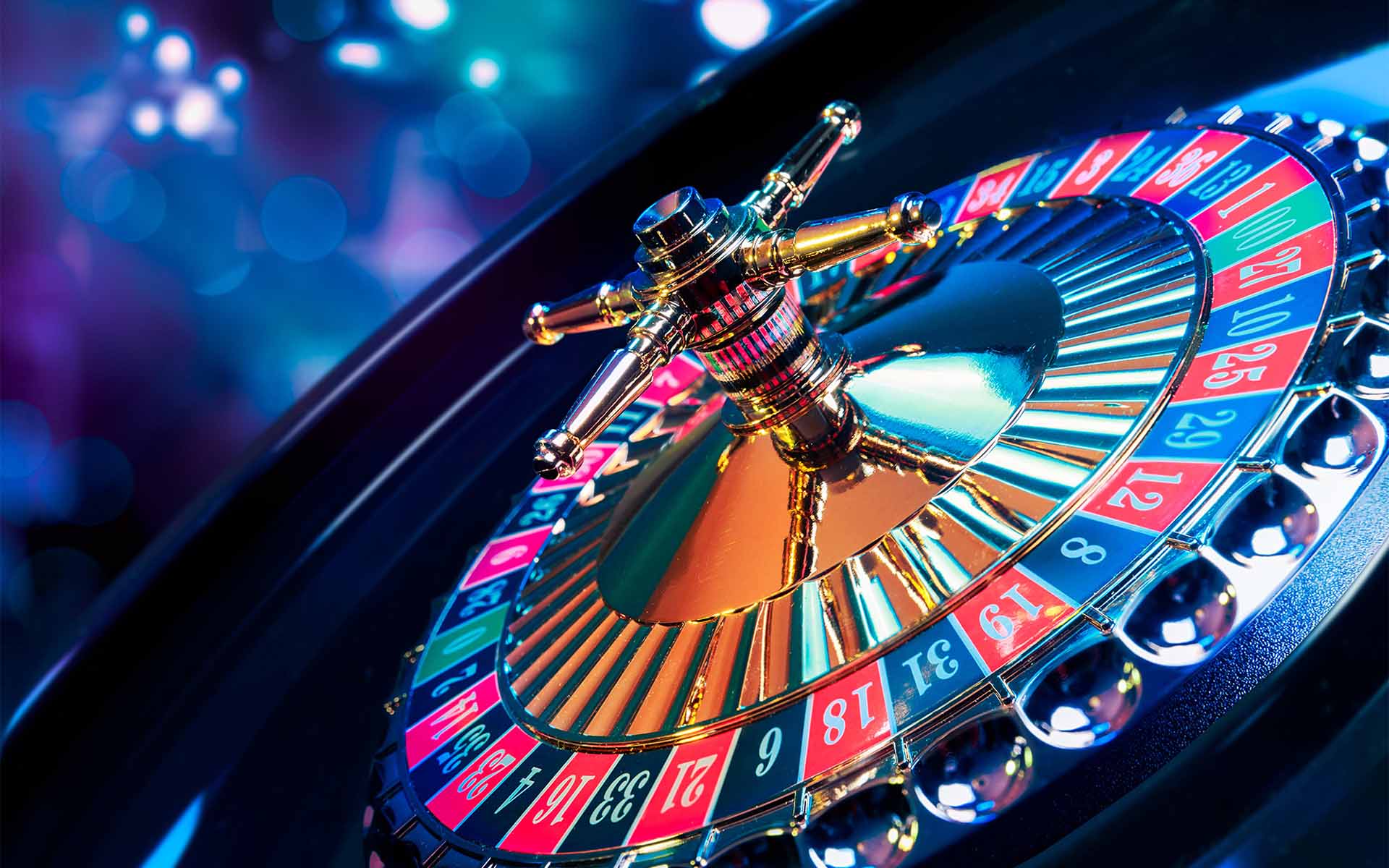
In addition to the physical design, the ambiance of a casino is carefully curated to enhance the overall gaming experience. Bright lights, vibrant colors, and the sound of chimes or bells when someone wins create an exhilarating environment. These sensory elements work together to evoke excitement and anticipation. Players often find themselves entranced, continuously drawn back to the allure of potential wins. This strategy is designed not just to keep players happy, but to make them feel a part of a larger, thrilling narrative.
The placement of games within the casino also plays a critical role. High-margin slots are often located deep inside the venue, while low-margin games such as blackjack may be closer to the entrance. This arrangement encourages players to walk through the casino, exposing them to more gaming options and enticing visual stimuli. Consequently, as players navigate through this engaging landscape, they're less likely to leave, and more inclined to spend additional money in pursuit of their next big win.
The Role of Rewards and Incentives
To further entice players to stay longer, many casinos employ a range of rewards and incentive programs. These can include loyalty cards, which offer points redeemable for cash, meals, or even hotel stays. This strategy builds a sense of belonging and loyalty among players, making them feel valued for their time and money. The more time a player spends at the tables or slot machines, the more rewards they accumulate, fostering a cycle that encourages them to continue playing.
Casinos also often provide complimentary drinks, meals, and entertainment to enhance the gaming experience. By offering these perks, casinos create an environment where players feel they are receiving additional value for their expenditure. Complimentary services not only increase player satisfaction but also lower the barriers to spending more time and money within the venue. This effectively keeps players engaged while they enjoy the perks of being in the casino's ecosystem.

Another significant aspect of keeping players engaged is the use of “win-back” promotions. After a player has experienced a losing streak, casinos might reach out with offers or promotions aimed at enticing them back into the gaming fold. These targeted incentives can range from free play credits to exclusive events, ensuring players feel they still have a chance to win back their losses. This strategy leverages emotional responses to loss and can successfully draw players back for another chance at victory.
The Influence of Social Interaction
Casinos also foster a social atmosphere that contributes significantly to the desire to keep playing. Many games, especially table games like poker and blackjack, require interaction with other players and dealers. This social engagement can create a sense of community, making the gaming experience more enjoyable and encouraging longer play sessions. Players often feel a camaraderie with fellow gamblers, enjoying the shared excitement of wins and the collective tension during pivotal game moments.
Moreover, casinos frequently host tournaments and events that draw in crowds and encourage participation. These social gatherings not only entertain but also create an immersive experience that makes players feel invested in their gaming experience. Players may feel compelled to stay longer to socialize with friends or make new acquaintances, further extending their time spent in the casino.
The importance of social interaction is not limited solely to table games. Slot machines have evolved to incorporate social elements as well. Many modern slot games allow players to connect with friends or compete in challenges, creating an environment rife with shared experiences. This integration of social gaming elements facilitates a more engaging atmosphere, making it harder for players to step away, as they become absorbed in both the game and the connections they forge.
The Use of Time and Space Manipulation
Time manipulation is a critical element in the design of a casino, as many players often underestimate how much time they’ve spent gambling. The absence of windows and clocks in most casinos helps maintain this illusion of timelessness, allowing players to lose track of their surroundings. When individuals are engrossed in gaming, they become less aware of the passing hours, which can lead to extended play sessions that they had not initially planned.
The spatial layout of the casino plays a significant role as well. Designers often use open space to keep players moving from one area to another, thereby exposing them to additional games and enticing features. This strategic use of space ensures that players constantly encounter new opportunities to gamble, which can create a compulsion to continue playing. By optimizing the flow of movement through the casino, operators can effectively increase the amount of time players spend in their establishment.
Additionally, marketing strategies often incorporate elements that manipulate a player's perception of time. For instance, slot machines displaying countdown timers for bonus rounds can create an urgency that compels players to keep spinning for a chance to win. This sense of timing generates excitement, leading individuals to remain seated and engaged longer than they initially intended. Such tactics underscore the various ways casinos harness psychological principles to keep players immersed in their gaming experience.
Understanding Casino Strategies for Engagement
Exploring the strategies employed by casinos to keep players engaged reveals a complex interplay of psychology, design, and behavior. The architectural choices and sensory experiences are crafted to create an environment where players can easily lose themselves. The continual reinforcement through rewards, social interaction, and the manipulation of time and space showcases how deeply casinos understand their audience and what motivates them to stay longer and gamble more.
As technology advances, casinos continue to adapt their strategies for engagement. With the rise of online gaming, many physical casinos are incorporating digital elements into their gaming experiences to entice players who might otherwise prefer the comforts of home. By blending traditional gaming with modern technology, they aim to create a hybrid experience that maintains the thrill of gambling in a physical space while also offering the convenience of online play.
Ultimately, understanding these engagement strategies offers valuable insight into the gambling industry’s workings. Players who are aware of these tactics may find it easier to recognize when they are being drawn into extended gaming sessions. Recognizing the intention behind the design and operations of casinos can empower players to make more informed decisions about their playtime and spending habits.
